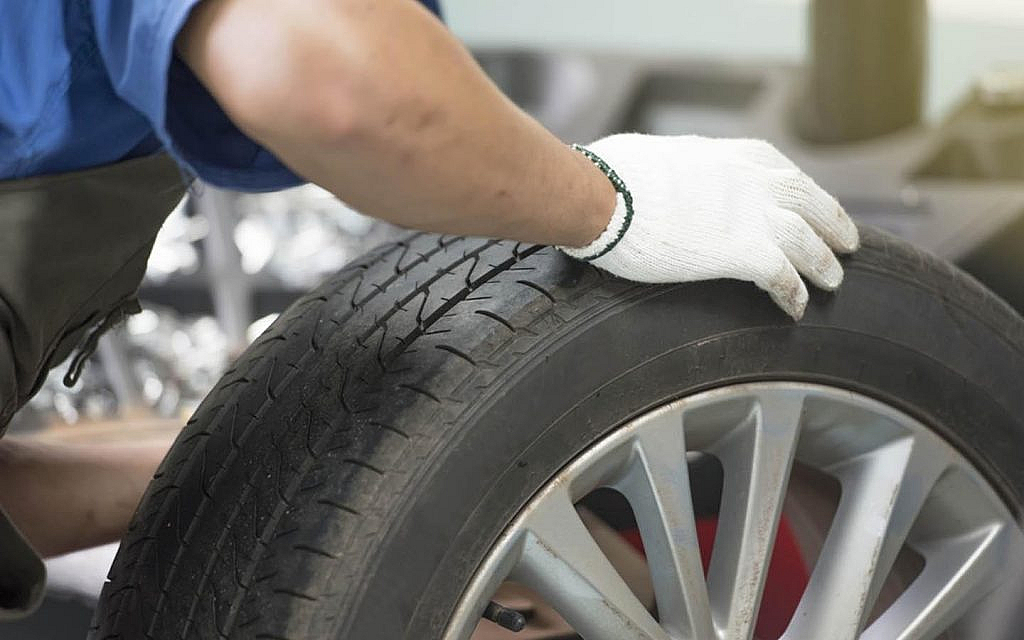
A vehicle’s suspension system does more than provide a comfortable ride. It plays a critical role in keeping tires firmly and evenly planted on the road. When suspension components begin to fail or wear out, tire wear patterns often become the first visible warning sign. Understanding this relationship helps drivers prevent premature tire replacement, improve handling, and maintain overall vehicle safety.
Understanding the Role of the Suspension System
The suspension system is designed to manage vehicle stability, wheel alignment, and road contact. It absorbs shocks from bumps and keeps the tires aligned at the correct angles while driving, braking, and cornering.
Key components include:
- Shocks and struts
- Springs
- Control arms
- Ball joints
- Bushings
- Sway bars
When these parts are in good condition, tires wear evenly and predictably. When they are not, tire wear accelerates and becomes uneven.
The Link Between Suspension Health and Tire Wear
Tires rely on consistent contact with the road surface. Suspension problems disrupt this balance by allowing excessive movement, misalignment, or uneven load distribution. Over time, this leads to abnormal wear patterns that reduce tire lifespan and compromise traction.
Common suspension-related issues include:
- Excessive bouncing
- Poor wheel alignment retention
- Uneven weight transfer
- Reduced steering control
Common Suspension Problems That Cause Tire Wear
Worn Shocks and Struts
Shocks and struts control how quickly the suspension rebounds after hitting bumps. When they wear out, tires may bounce instead of staying planted.
This often causes:
- Cupping or scalloped tire wear
- Reduced braking efficiency
- Increased stopping distance
Damaged or Weak Springs
Springs support the vehicle’s weight and maintain ride height. A sagging spring shifts more weight onto certain tires.
Results may include:
- Accelerated wear on one side
- Uneven front or rear tire wear
- Poor vehicle balance
Failing Ball Joints and Bushings
Ball joints and bushings allow controlled movement between suspension parts. When worn, they introduce looseness into the system.
Consequences include:
- Erratic tire wear patterns
- Steering instability
- Clunking noises during turns
Bent or Worn Control Arms
Control arms keep wheels aligned with the vehicle frame. Damage from potholes or accidents can alter alignment angles.
This commonly leads to:
- Inner or outer edge tire wear
- Difficulty maintaining alignment
- Pulling to one side while driving
Tire Wear Patterns Linked to Suspension Issues
Recognizing wear patterns can help diagnose suspension problems early.
- Cupping or scalloping: Often caused by worn shocks or struts
- Inside or outside edge wear: Usually linked to alignment issues from damaged suspension parts
- Feathering: Indicates excessive toe movement due to worn components
- Uneven left-to-right wear: Suggests imbalance or structural suspension damage
Why Ignoring Suspension Problems Gets Expensive
Driving with suspension issues does more than destroy tires. It affects multiple systems at once.
Long-term risks include:
- Shortened tire lifespan
- Reduced fuel efficiency
- Increased stress on steering components
- Poor handling in emergency situations
- Higher repair costs over time
Replacing tires without fixing the underlying suspension problem often leads to repeat failures.
How to Prevent Suspension-Related Tire Wear
Preventive maintenance is the most effective way to protect both suspension and tires.
Practical steps include:
- Regular suspension inspections, especially after rough road impacts
- Wheel alignment checks at recommended intervals
- Timely replacement of worn components
- Rotating tires to balance normal wear
- Paying attention to changes in ride quality or handling
Early intervention saves money and preserves vehicle safety.
FAQs About Suspension Problems and Tire Wear
Can suspension problems cause new tires to wear out quickly?
Yes. Even brand-new tires will wear rapidly if underlying suspension issues are not corrected first.
How long can I drive with worn suspension parts?
Driving for extended periods is risky. Worn components can fail suddenly and significantly reduce control.
Are alignment issues always caused by suspension problems?
Not always, but worn suspension parts often prevent proper alignment from being maintained.
Do suspension issues affect all four tires or just two?
It depends on the component. Some problems affect only front or rear tires, while others impact all four.
Can uneven tire wear damage suspension parts further?
Yes. Uneven tires place additional stress on suspension and steering components, accelerating wear.
How often should suspension components be inspected?
A general inspection is recommended annually or whenever unusual tire wear, noise, or handling issues appear.
Is tire cupping always a suspension issue?
Most of the time it is linked to worn shocks or struts, though severe imbalance can contribute.
Understanding how suspension problems affect tire wear allows drivers to address issues early, protect their investment, and maintain safe, predictable handling on the road.