129
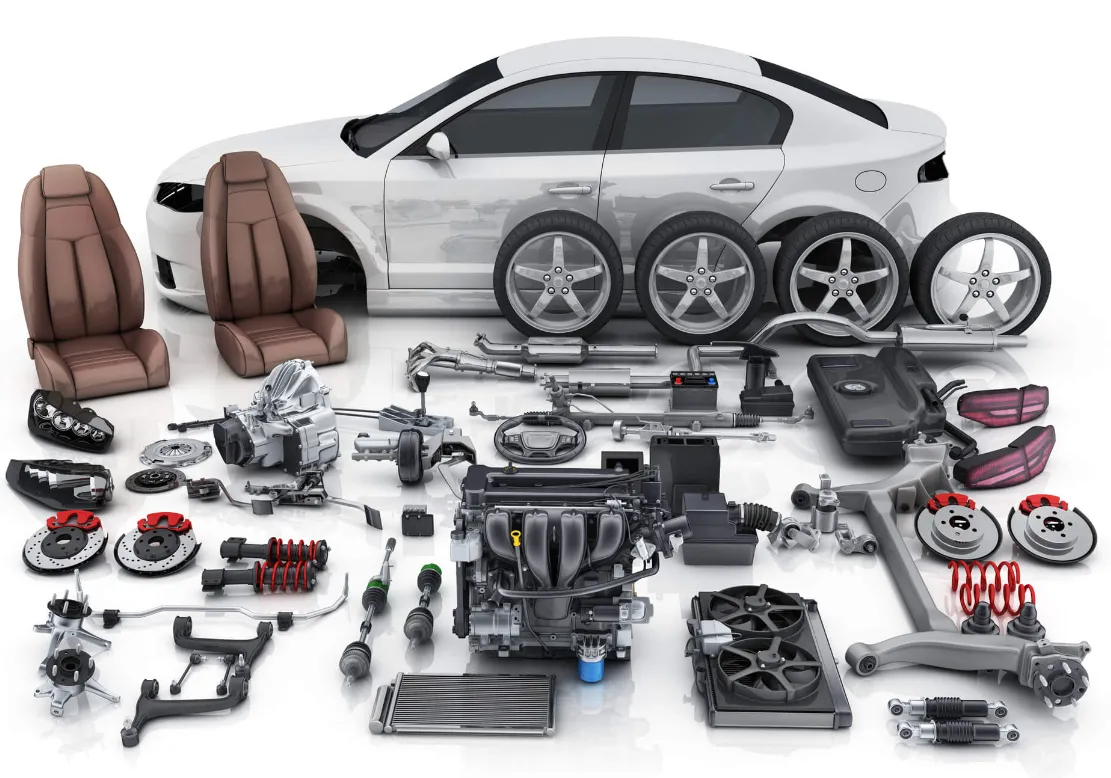
Every automobile is a complex assembly of thousands of individual mechanical, electrical, and chemical components engineered to work in precise harmony. Over time, constant friction, thermal expansion, environmental exposure, and mechanical wear take a heavy toll on these parts. Understanding the typical lifespan of essential car components helps vehicle owners transition from reactive emergency repairs to proactive scheduled maintenance. Anticipating component failure prevents unexpected roadside breakdowns, reduces long-term repair expenses, and ensures your automobile maintains maximum safety and reliability on the highway.
Engine and Drivetrain Components
The heart and soul of your vehicle operate under extreme pressure and heat, making regular inspection of internal engine parts vital for long-term survival.
-
Timing Belt: Typically requires replacement between 60000 and 100000 miles. A snapped timing belt can cause catastrophic internal engine damage if pistons collide with open valves.
-
Spark Plugs: Modern copper plugs last around 30000 miles, while advanced platinum and iridium variants easily reach 100000 miles before electrode wear causes engine misfires.
-
Drive Belts: Serpentine belts usually last between 50000 and 100000 miles, but you should inspect them annually for dry cracking, fraying, or rubber glazing.
-
Engine Air Filter: Needs replacement every 15000 to 30000 miles depending on regional dust levels and urban driving conditions.
Braking System Elements
Your braking system is your vehicle most critical safety feature. Because friction is the fundamental mechanism used to slow and stop a car, brake components are designed as sacrificial wear items that degrade predictably.
-
Brake Pads: Usually last between 30000 and 70000 miles, though aggressive city driving, heavy loads, and hilly terrain will wear them down much faster.
-
Brake Rotors: Generally endure through two sets of brake pads, lasting roughly 60000 to 70000 miles before thinning below safe structural thickness limits.
-
Brake Fluid: Absorbs moisture from the atmosphere over time, which lowers its boiling point and causes internal corrosion, necessitating a complete fluid flush every two years or 30000 miles.
Suspension, Steering, and Tires
Maintaining proper tire contact and a stable suspension geometry ensures precise handling, comfortable ride quality, and safe braking performance across rough road surfaces.
-
Tires: Most all-season passenger tires last between 50000 and 75000 miles, provided they are rotated regularly, inflated to correct pressures, and aligned properly.
-
Shock Absorbers and Struts: Typically begin losing hydraulic damping efficiency around 50000 to 100000 miles, leading to excessive body roll, bouncing, and uneven tire wear.
-
Control Arm Bushings: Rubber and polyurethane bushings degrade after 80000 to 100000 miles due to continuous suspension flexing and exposure to road oils.
Fluids, Filters, and Electrical Accessories
Chemical fluids and electrical hardware deteriorate based on both mileage accumulation and chronological aging, requiring careful calendar-based tracking.
-
Car Battery: Typically lasts between three and five years. Extreme summer heat and freezing winter temperatures accelerate internal grid corrosion and battery failure.
-
Engine Coolant: Traditional green coolants require flushing every two years, whereas modern long-life organic acid technology coolants last up to five years or 100000 miles.
-
Cabin Air Filter: Should be replaced annually or every 15000 miles to maintain proper heating, ventilation, and air conditioning airflow while filtering out pollen and road dust.
-
Transmission Fluid: Conventional automatic transmission fluid usually requires changing every 30000 to 60000 miles, while some modern synthetic fills claim lifetime durability.
Creating a Proactive Maintenance Schedule
Tracking component lifespans requires organizing your vehicle service history into a structured maintenance schedule. Instead of waiting for dashboard warning lights or strange mechanical noises to signal a problem, keep a dedicated logbook or use a digital automotive tracking application to record mileage milestones. Review your owner manual to align replacement intervals with your specific driving style, whether you frequently navigate congested stop-and-go city traffic or cruise long distances on open interstate highways. By staying ahead of component wear, you protect your financial investment and ensure dependable transportation.
Frequently Asked Questions
How does aggressive driving style impact the lifespan of braking components and tires?
Hard acceleration, late braking, and aggressive cornering generate excessive friction and heat, which dramatically accelerates tread wear on tires and burns through brake pad friction material in a fraction of normal mileage.
What are the primary warning signs indicating that a car battery is nearing the end of its life?
Common indicators include a sluggish starter motor cranking speed during morning engine startup, dimming headlights while idling, electronic accessory glitches, and a dashboard battery warning indicator light.
Can windshield wiper blades degrade from sun exposure even if the car is rarely driven?
Yes, ultraviolet solar radiation breaks down rubber compounds quickly, causing the flexible rubber squeegee edge to harden, crack, and tear even if the vehicle sits parked unused in a driveway for months.
Why do shock absorbers wear out gradually rather than failing all at once?
Shock absorbers rely on internal hydraulic valving and fluid resistance that wear down incrementally as microscopic seals fatigue and fluid viscosity breaks down over tens of thousands of bumps and road impacts.
How can I tell if my transmission fluid needs replacement before reaching the mileage limit?
Pull the transmission dipstick and inspect the fluid color and smell. Healthy fluid is bright red or pink with a mild petroleum scent, whereas burnt, dark brown fluid with a sharp scorched odor indicates severe thermal breakdown.
Are aftermarket replacement car parts generally equal in lifespan to original equipment manufacturer parts?
The lifespan varies significantly depending on brand quality. Premium aftermarket parts often match or exceed factory specifications, while cheap budget-tier replacement components frequently use inferior materials that fail prematurely.
What causes a serpentine drive belt to squeal loudly during engine startup?
A loud squealing noise usually indicates that the serpentine belt has stretched over time or that the automatic belt tensioner has lost its spring tension, allowing the belt to slip across the accessory pulleys.