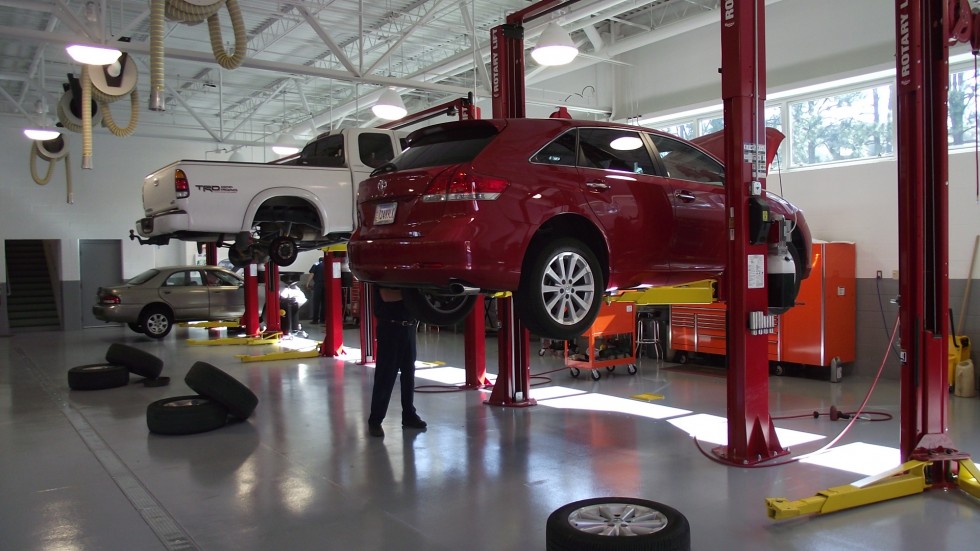
Brake systems are critical to vehicle safety, and even minor issues can significantly affect stopping ability. Auto service shops use a combination of technology, hands-on inspections, and real-world testing to evaluate brake performance accurately. Understanding how professionals test brakes helps drivers appreciate the importance of regular inspections and timely repairs.
Initial Brake System Inspection
Brake testing begins with a visual and physical inspection. This step helps technicians identify obvious wear or damage before advanced testing begins.
During the inspection, professionals check:
- Brake pads and shoes for wear thickness
- Rotors and drums for scoring or warping
- Brake lines and hoses for leaks or cracks
Visible issues often explain braking complaints and guide further testing.
Measuring Brake Pad and Rotor Condition
Accurate measurements are essential to determine whether components are within safe limits.
What Technicians Measure
- Remaining brake pad material
- Rotor thickness and surface condition
- Drum diameter and wear patterns
If components fall outside manufacturer specifications, replacement is recommended to maintain safe braking performance.
Hydraulic System Pressure Testing
Brake systems rely on hydraulic pressure to function correctly. Any loss of pressure can severely reduce stopping power.
Hydraulic testing includes:
- Checking master cylinder operation
- Inspecting calipers and wheel cylinders
- Testing brake fluid condition and level
This ensures the braking force applied at the pedal is properly transferred to the wheels.
Electronic Brake System Diagnostics
Modern vehicles use electronic systems to enhance braking performance. Auto service shops use diagnostic tools to evaluate these components.
Systems Commonly Tested
- Anti-lock braking system (ABS)
- Electronic brake-force distribution
- Brake sensors and warning indicators
Diagnostic scans reveal fault codes and sensor data that may not be visible during manual inspection.
Road Testing Under Controlled Conditions
A controlled road test provides real-world insight into how the brakes perform while driving.
Technicians evaluate:
- Brake pedal feel and responsiveness
- Vehicle stopping distance
- Pulling or vibration during braking
Road testing confirms whether repairs or adjustments have successfully restored braking performance.
Brake Balance and Force Distribution Testing
Some service shops use specialized equipment to measure braking force at each wheel.
Benefits of Brake Balance Testing
- Identifies uneven braking force
- Detects sticking calipers or weak components
- Improves overall stopping stability
Balanced braking ensures predictable vehicle control, especially during emergency stops.
Final Review and Safety Recommendations
Once testing is complete, technicians review their findings and explain results clearly to the vehicle owner.
This review typically includes:
- Overall brake condition assessment
- Immediate safety concerns
- Recommended repairs or maintenance timelines
Clear communication helps drivers make informed decisions about brake service.
Why Professional Brake Testing Matters
Professional brake testing goes beyond surface-level checks. It identifies hidden issues, ensures compliance with safety standards, and helps prevent accidents caused by brake failure.
Regular testing:
- Enhances driver confidence
- Reduces long-term repair costs
- Protects passengers and other road users
FAQs
How often should brake performance be tested?
Most professionals recommend brake inspections at least once a year or during routine tire rotations.
Can brake problems exist without noise or warning lights?
Yes. Some issues develop silently and only appear during professional testing.
Do brake tests damage brake components?
No. Testing procedures are designed to assess performance without causing wear.
Is road testing always necessary?
In many cases, yes. Road tests help confirm how brakes perform under real driving conditions.
Can electronic diagnostics detect all brake problems?
No. Electronic scans work best when combined with physical inspections and measurements.
What causes uneven brake performance?
Worn pads, warped rotors, sticking calipers, or hydraulic issues can all cause imbalance.
Should brakes be tested after every repair?
Yes. Post-repair testing ensures the braking system operates safely and effectively.