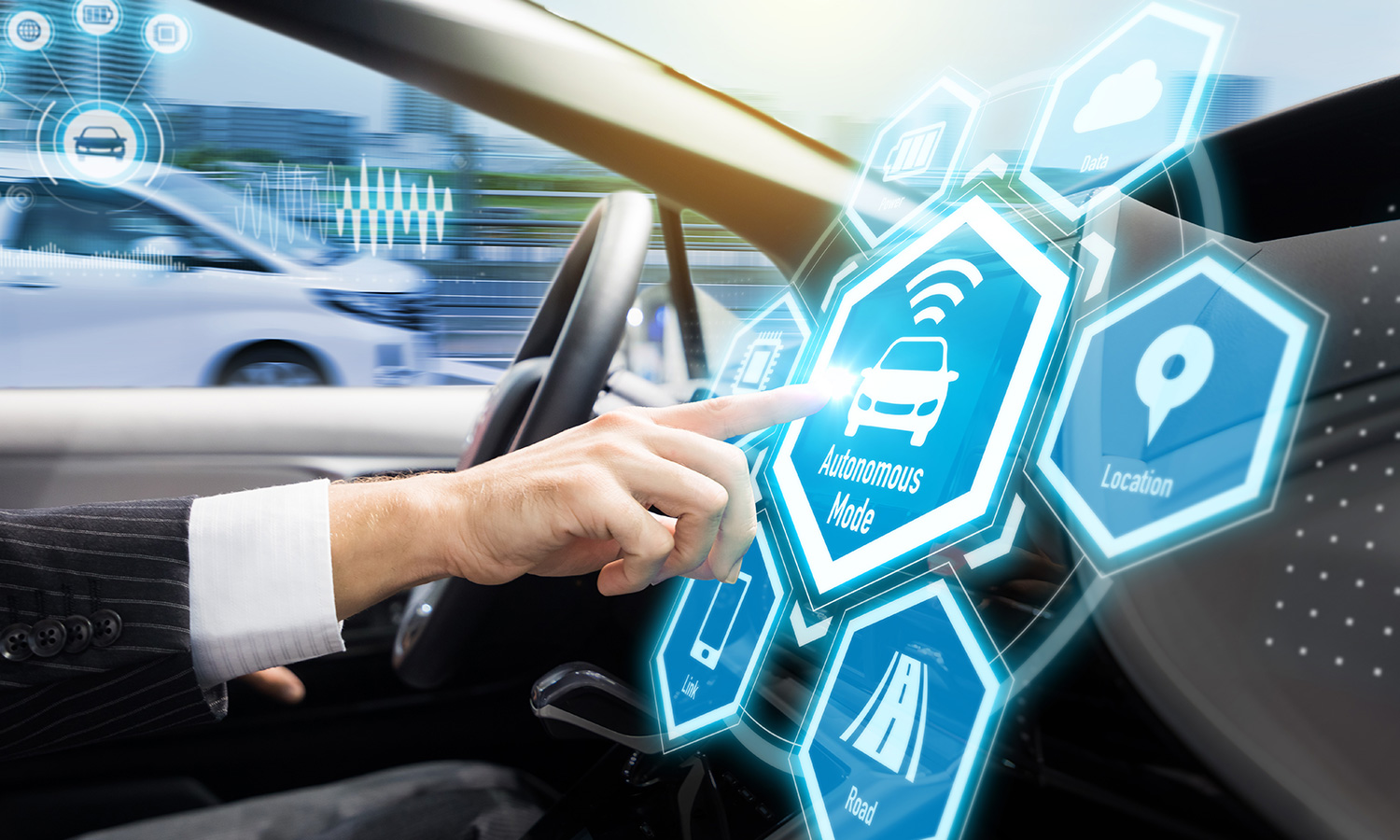
Vehicle safety has evolved far beyond seat belts and steel frames. Modern cars are equipped with advanced systems designed to prevent accidents, reduce injury severity, and protect occupants and pedestrians. While not every feature is equally effective, certain safety technologies have proven to make a real, measurable difference in saving lives.
This article focuses on the vehicle safety features that consistently deliver meaningful protection on real roads.
Seat Belts: The Most Effective Safety Feature
Despite decades of innovation, seat belts remain the single most important safety system in any vehicle.
Why Seat Belts Save Lives
- Prevent occupants from being ejected during collisions
- Distribute crash forces across stronger parts of the body
- Work in coordination with airbags for maximum protection
- Reduce fatal injury risk for front-seat occupants dramatically
No advanced system can compensate for not wearing a seat belt.
Airbags and Supplemental Restraint Systems
Airbags are designed to deploy in milliseconds during a collision, cushioning occupants from severe impact.
Types of Life-Saving Airbags
- Front airbags for head and chest protection
- Side airbags for torso protection
- Curtain airbags to reduce head injuries in rollovers
- Knee airbags to stabilize lower body movement
Airbags are most effective when combined with proper seat belt use.
Electronic Stability Control (ESC)
Electronic Stability Control is one of the most impactful safety innovations of the last few decades.
How ESC Prevents Fatal Accidents
- Detects loss of traction or skidding
- Automatically applies braking to individual wheels
- Helps drivers maintain control during sharp turns or slippery conditions
- Reduces rollover and single-vehicle crash risk
ESC is especially effective during emergency maneuvers and poor weather conditions.
Automatic Emergency Braking (AEB)
Automatic Emergency Braking actively intervenes when a collision is imminent.
Life-Saving Benefits of AEB
- Detects vehicles, pedestrians, or obstacles ahead
- Applies brakes faster than human reaction time
- Reduces impact speed or prevents collisions entirely
- Particularly effective in urban and stop-and-go traffic
AEB has shown strong results in reducing rear-end and pedestrian crashes.
Lane Departure Warning and Lane Keeping Assistance
Unintentional lane departure is a major cause of serious accidents.
How Lane Technology Improves Safety
- Alerts drivers when drifting without signaling
- Actively corrects steering in some systems
- Reduces fatigue-related and distraction-related crashes
- Improves highway driving safety
These systems are especially helpful during long or monotonous drives.
Blind Spot Monitoring
Blind spots are a common cause of side-impact collisions.
Why Blind Spot Monitoring Matters
- Alerts drivers to vehicles outside mirror visibility
- Reduces unsafe lane changes
- Improves situational awareness in traffic
- Enhances safety in multi-lane driving environments
This feature adds an extra layer of protection during everyday driving.
Rearview Cameras and Cross-Traffic Alerts
Low-speed accidents can still result in serious injuries, especially involving pedestrians.
Safety Advantages
- Improves visibility when reversing
- Detects cross traffic in parking areas
- Reduces backover accidents
- Protects children and vulnerable road users
These systems are particularly effective in residential and urban settings.
Advanced Driver Assistance Systems (ADAS) as a Safety Net
While not a replacement for attentive driving, ADAS features provide critical support.
ADAS Features That Save Lives
- Adaptive cruise control
- Driver attention monitoring
- Traffic sign recognition
- Forward collision warnings
Together, these technologies help reduce human error—the leading cause of accidents.
Why Technology Alone Is Not Enough
Even the best safety features rely on responsible driver behavior.
Key Limitations
- Systems may have environmental limitations
- Overreliance can reduce driver attentiveness
- Regular maintenance and calibration are essential
Safety technology works best as a support system, not a substitute for safe driving.
Conclusion
Vehicle safety features that actually save lives focus on collision prevention, occupant protection, and driver awareness. Seat belts, airbags, electronic stability control, and advanced braking systems consistently demonstrate real-world effectiveness. When combined with attentive driving and proper vehicle maintenance, these technologies significantly reduce the risk of fatal and serious injuries on the road.
Frequently Asked Questions (FAQ)
1. Which safety feature has saved the most lives overall?
Seat belts remain the most effective life-saving feature in automotive history.
2. Are advanced safety systems effective in older drivers?
Yes, they can significantly reduce risks related to slower reaction times and fatigue.
3. Do safety features increase vehicle repair costs?
Some systems may increase repair complexity, but the safety benefits outweigh the cost.
4. Can safety features malfunction?
Like any technology, failures are possible, which is why regular maintenance is important.
5. Are these features useful in bad weather?
Many systems help in poor conditions, though performance may vary based on visibility and traction.
6. Do safety features make drivers less attentive?
They can if drivers become overconfident, which is why active engagement remains critical.
7. Is it worth paying extra for advanced safety features?
Yes, especially for features proven to reduce severe injuries and fatalities.