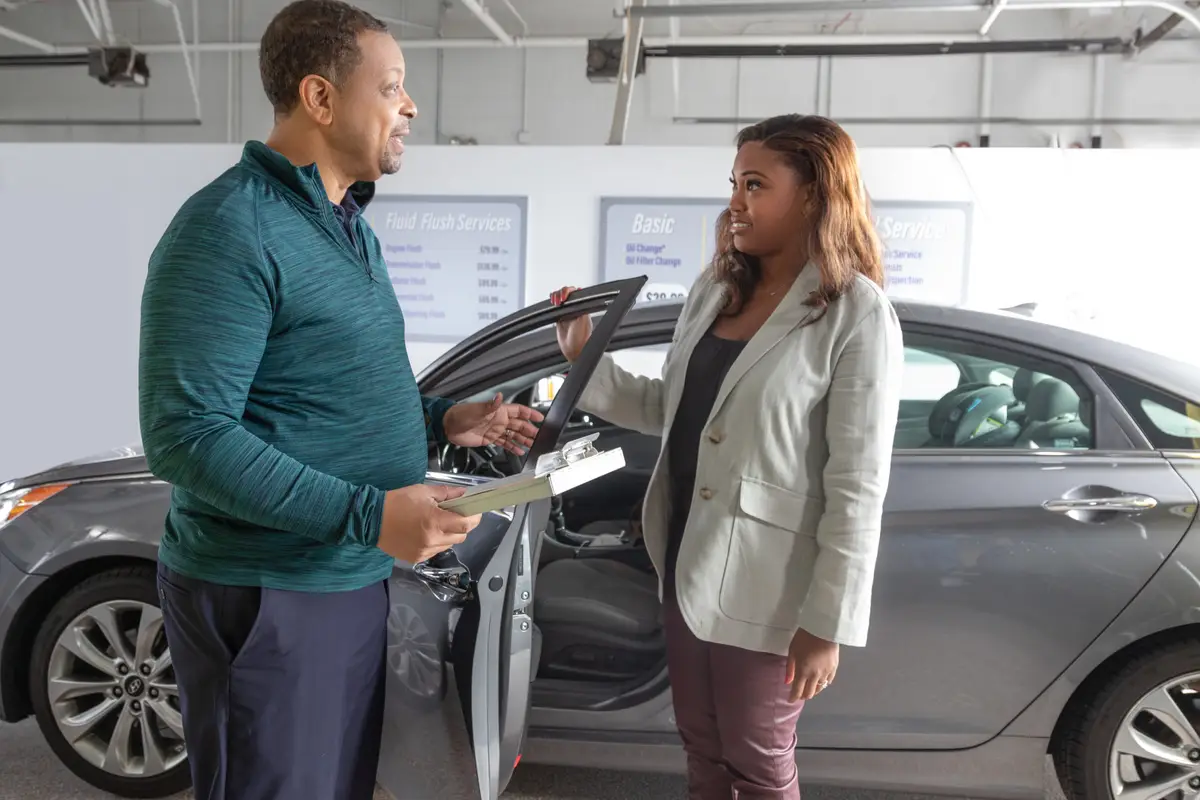
When trading in a vehicle, many owners wonder how dealerships determine its value. The process is more structured and data-driven than it may appear. Dealers evaluate trade-in vehicles to balance resale potential, market demand, and reconditioning costs, ensuring the vehicle can be sold profitably while remaining competitively priced.
Understanding this evaluation process helps sellers set realistic expectations and negotiate with confidence.
Vehicle Make, Model, and Year
The foundation of any trade-in evaluation begins with the vehicle’s basic identity.
Why It Matters
- Certain brands and models retain value better than others
- Newer model years typically command higher trade-in values
- Popular body styles and trims attract stronger demand
Vehicles known for reliability and low ownership costs often perform better in dealer assessments.
Mileage and Usage History
Mileage plays a major role in determining depreciation.
How Dealers View Mileage
- Lower mileage suggests less wear and longer remaining lifespan
- Average annual mileage is often considered more favorably than extreme usage
- Commercial or heavy-duty use may reduce value
Mileage is evaluated in context, meaning a well-maintained high-mileage vehicle can still retain solid value.
Exterior Condition Assessment
Dealers perform a detailed exterior inspection to estimate repair and resale readiness.
Exterior Factors Reviewed
- Paint condition and fading
- Dents, scratches, and rust
- Glass damage and headlight clarity
- Tire condition and wheel wear
Visible damage directly affects reconditioning costs, which are deducted from the trade-in offer.
Interior Condition and Wear
Interior quality strongly influences buyer perception and resale appeal.
Interior Evaluation Points
- Seat wear, stains, or tears
- Dashboard condition and electronics functionality
- Odors from smoke, pets, or moisture
- Overall cleanliness and upkeep
A clean, odor-free interior often increases trade-in value more than cosmetic upgrades.
Mechanical Condition and Performance
Mechanical reliability determines whether a vehicle can be sold quickly or requires additional investment.
Mechanical Areas Reviewed
- Engine performance and noise
- Transmission behavior
- Suspension and steering response
- Brake condition and warning lights
Dealers may test-drive the vehicle or use diagnostic tools to identify potential issues.
Vehicle History and Documentation
A vehicle’s documented past influences its perceived risk and resale confidence.
Key History Considerations
- Accident or damage reports
- Title status and ownership records
- Maintenance history
- Recall completion status
A clean, well-documented history often improves trust and trade-in valuation.
Market Demand and Local Trends
Trade-in value is not based solely on the vehicle itself but also on current market conditions.
Market-Based Factors
- Seasonal demand for certain vehicle types
- Fuel price trends
- Regional preferences
- Inventory levels at the dealership
Dealers adjust offers based on how quickly they expect the vehicle to sell.
Reconditioning and Resale Costs
Before resale, most trade-in vehicles require preparation.
Common Reconditioning Expenses
- Mechanical repairs
- Detailing and cleaning
- Safety inspections
- Cosmetic touch-ups
These costs are calculated upfront and subtracted from the vehicle’s estimated resale value.
How Dealers Determine the Final Trade-In Offer
After evaluating all factors, dealers estimate a resale price and subtract expenses and profit margins. The resulting figure becomes the trade-in offer, balancing fairness with business sustainability.
Conclusion
Car dealers evaluate trade-in vehicles through a comprehensive process that considers condition, market demand, mechanical reliability, and resale potential. While the offer may seem conservative, it reflects real-world costs and risks associated with preparing and selling a used vehicle. Understanding these factors empowers sellers to present their vehicle well and negotiate more effectively.
Frequently Asked Questions (FAQ)
1. Does cleaning my car before trade-in really matter?
Yes, a clean vehicle improves first impressions and may positively influence the appraisal.
2. Will aftermarket modifications increase trade-in value?
In most cases, modifications do not increase value and may reduce appeal to a broader buyer base.
3. Do dealers use online valuation tools during appraisal?
Dealers often reference valuation data, but final offers are adjusted based on condition and market demand.
4. Is it better to trade in a car or sell it privately?
Private sales may yield higher returns, but trade-ins offer convenience and reduced transaction effort.
5. How long does a trade-in appraisal usually take?
Most appraisals take between 30 minutes to an hour, depending on inspection depth.
6. Can a trade-in value change after negotiation?
Yes, dealers may adjust offers based on competing quotes or additional information.
7. Does trading in a car reduce sales tax on a new vehicle?
In many regions, the trade-in value may reduce taxable purchase amounts, depending on local laws.