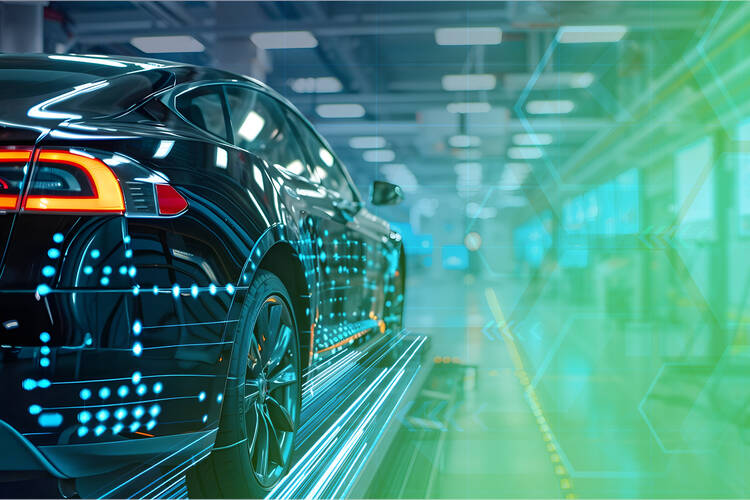
Over the past ten years, automotive design has undergone a dramatic transformation. Driven by advances in technology, changing consumer expectations, and growing environmental awareness, vehicles today look and feel very different from those of the early 2010s. Design is no longer just about aesthetics—it now balances efficiency, safety, sustainability, and digital integration.
This article explores how automotive design has evolved and what has shaped its direction over the last decade.
The Shift Toward Aerodynamics and Efficiency
One of the most noticeable changes in vehicle design is the emphasis on aerodynamics. As fuel efficiency and range became priorities, designers focused on reducing drag.
Key Aerodynamic Design Trends
- Smoother body lines with fewer sharp edges
- Lower ride heights for reduced air resistance
- Active grille shutters that adjust airflow automatically
- Flush door handles and streamlined mirrors
These elements help improve fuel economy in gas vehicles and extend range in electric models.
The Rise of Electric Vehicle Design Language
The growth of electric vehicles reshaped automotive aesthetics. Without traditional engines and large radiators, designers gained new freedom.
How EVs Changed Exterior Design
- Closed or minimal grilles
- Shorter front ends
- Longer wheelbases
- Distinctive lighting signatures
EVs introduced a cleaner, more futuristic look that now influences even gas-powered models.
Interior Design Goes Digital
Vehicle interiors experienced one of the most radical transformations of the decade. Analog gauges and physical buttons gave way to digital interfaces.
Interior Evolution Highlights
- Fully digital instrument clusters
- Large central touchscreens
- Minimalist dashboards
- Voice and gesture controls
Designers now prioritize intuitive layouts that reduce distraction while offering customization and connectivity.
Materials and Sustainability Take Center Stage
Environmental awareness pushed manufacturers to rethink material choices without sacrificing comfort or durability.
Sustainable Design Choices
- Recycled plastics and metals
- Vegan leather alternatives
- Lightweight composites
- Reduced use of chrome and heavy trim
These materials help lower vehicle weight and environmental impact while maintaining premium appeal.
Lighting as a Design Signature
Lighting evolved from a functional necessity into a defining design element.
Modern Lighting Trends
- LED and matrix headlights
- Full-width rear light bars
- Animated turn signals
- Daytime running light signatures
Lighting now plays a major role in brand identity and vehicle recognition, both day and night.
Safety-Driven Design Enhancements
Advances in safety technology influenced vehicle shape and structure.
Safety-Inspired Design Changes
- Higher beltlines for side-impact protection
- Stronger roof pillars
- Pedestrian-friendly front-end designs
- Integrated sensor housings for driver assistance systems
Modern vehicles are designed to absorb and redirect impact energy more effectively than ever before.
Personalization and Custom Design Options
Consumer demand for individuality led to more customization options.
Popular Personalization Features
- Multiple exterior color combinations
- Contrasting roof designs
- Custom wheel styles
- Ambient interior lighting themes
These options allow drivers to reflect personal taste without compromising factory design integrity.
The Influence of Technology and Connectivity
Design now accommodates advanced technology that did not exist a decade ago.
Technology-Driven Design Elements
- Seamless smartphone integration
- Heads-up displays
- Over-the-air software update capability
- Integrated cameras and sensors
Vehicles are designed as connected devices, not just transportation tools.
Conclusion
The evolution of automotive design over the last decade reflects a shift toward efficiency, intelligence, and user-focused experiences. From aerodynamic exteriors and electric-focused layouts to digital interiors and sustainable materials, modern vehicles embody a balance of form and function. As technology continues to advance, automotive design will remain a key driver of innovation and brand identity.
Frequently Asked Questions (FAQ)
1. Why do modern cars look more similar than older models?
Aerodynamic efficiency, safety regulations, and shared platforms have led to more streamlined and standardized designs.
2. Has automotive design become less driver-focused?
Design now balances driver engagement with safety, connectivity, and passenger comfort rather than focusing solely on performance.
3. Are digital interiors more reliable than analog controls?
Digital systems offer flexibility and updates, but reliability depends on software quality and system integration.
4. How has electric vehicle design influenced gas-powered cars?
EV-inspired elements like smooth grilles and minimalist interiors are increasingly used in gas vehicles.
5. Do sustainable materials affect vehicle durability?
No, modern sustainable materials are engineered to meet durability and safety standards.
6. Will physical buttons disappear completely?
Some manufacturers are reintroducing buttons for essential controls to improve usability and safety.
7. What design trends are likely to shape the next decade?
Expect greater focus on autonomous-ready layouts, advanced lighting, sustainable materials, and immersive digital interfaces.