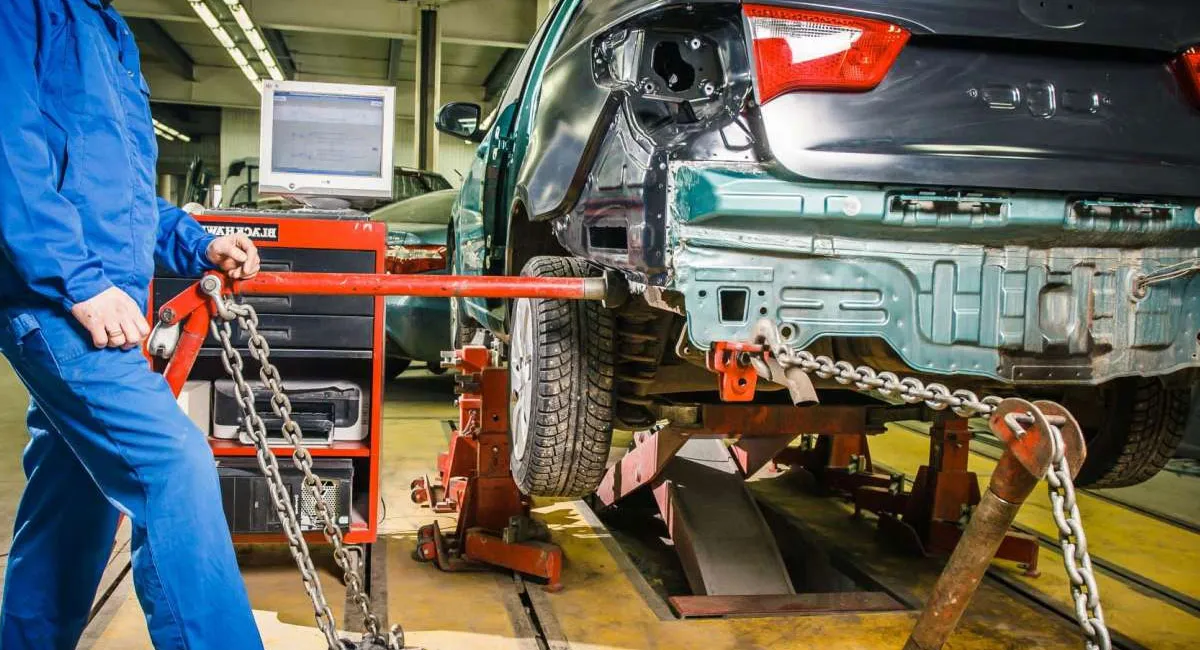
Vehicle repairs are not what they used to be. A few years ago, many jobs were more straightforward, access was simpler, and there was less pressure to deal with such a wide mix of materials, shapes, sensors, and manufacturer requirements. Now even a repair that looks fairly standard from the outside can involve far more planning, more accurate measuring, and tighter working methods than people expect.
That is why choosing the right automotive repair equipment provider matters so much for collision centers trying to keep up. It is not only about buying tools and machines. It is about having equipment that supports the kind of repair work modern vehicles now demand, while also helping workshops stay productive during busy periods.
A repair center can have skilled technicians, a decent workflow, and a steady stream of jobs, but still lose time if the setup around those technicians is not good enough. Modern repair work depends on consistency. If equipment is awkward to use, too limited, or not suited to current vehicle construction, the whole job slows down and pressure builds quickly across the workshop floor.
Modern cars leave less room for guesswork
Body repair work now involves a lot more than pulling panels back into place and moving on. Different vehicle structures need different handling. A workshop may be dealing with stronger steels, lighter materials, tighter tolerances, and designs that are harder to access than older models. That changes what is needed from the equipment being used every day.
Accuracy matters because small mistakes can create larger problems later. If a repair is slightly off, it can affect fit, alignment, and the overall standard of the finished job. That puts more weight on having proper systems in place from the start, especially when the goal is to keep repairs moving without cutting corners.
This is one reason workshops pay attention to how adaptable their equipment is. A setup that works across a wide range of vehicle types gives technicians a better chance of handling jobs properly without constant workarounds. That saves time, but it also helps reduce frustration inside the shop.
Speed only helps when the process stays controlled
Most collision centers want faster turnaround, but speed on its own is not the real target. A rushed repair that creates rework is not efficient at all. What shops really need is a process that stays controlled while still moving at a steady pace.
That usually comes down to a few practical things
- Equipment that gives good access to the vehicle
- Systems that support accurate measuring and alignment
- A setup that helps technicians move through the job without unnecessary delays
- Reliable equipment that can handle repeated daily use
When those pieces are in place, the workshop feels more stable. Jobs move through the process with less disruption, and technicians spend more time repairing vehicles instead of fighting the setup around them.
Support matters as much as the machine
A lot of buying decisions focus on the machine itself, which makes sense to a point. Still, the provider behind the equipment can shape the real long term value just as much. If a repair center is investing in major workshop systems, it helps to work with a provider that understands actual repair environments rather than simply selling hardware.
That includes things like training, setup guidance, product knowledge, and knowing how equipment fits into day to day body shop use. A provider that understands the pressure collision centers are under is usually in a better position to help them make choices that suit real workshop demands.
That is especially useful when repair standards keep shifting and vehicle design keeps changing. Workshops do not only need equipment that works today. They need systems that help them stay ready for the kind of repair work already arriving through the doors.