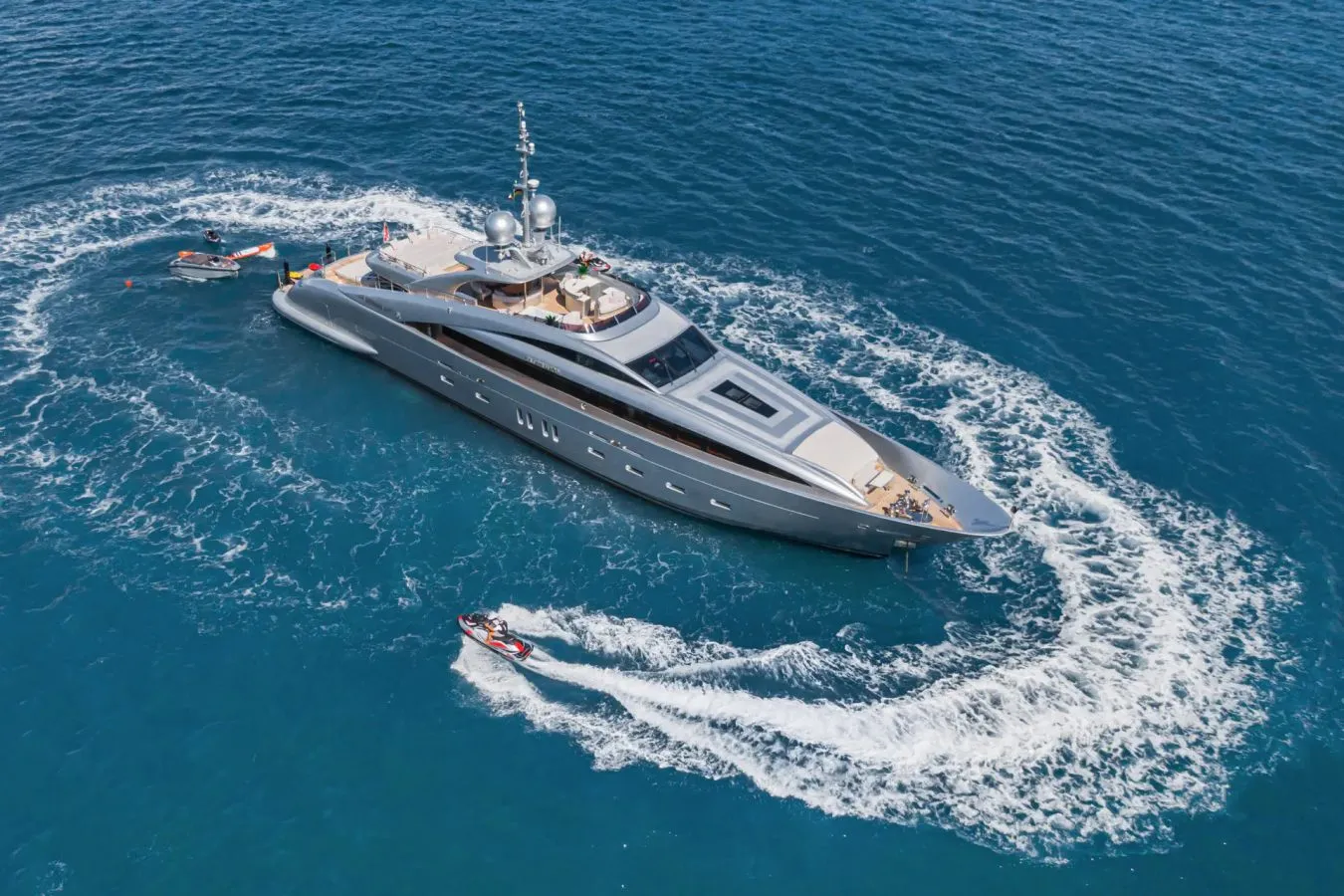
Southeast Asia has become an increasingly active region for private marine ownership. Expanding marina infrastructure, improved service networks, and rising regional wealth have shifted attention toward long-term vessel investment. Buyers exploring a boat for sales Thailand option are often looking beyond leisure alone, evaluating ownership within a broader financial and lifestyle framework.
A new yacht purchase differs significantly from acquiring a pre-owned vessel. Warranty coverage, customization options, and evolving marine technology all influence decision-making. Understanding how the regional market functions helps buyers assess both opportunity and responsibility.
Regional Market Growth and Infrastructure
Thailand has developed several established marina hubs, particularly along the Andaman coast and within the Gulf region. Modern docking facilities, maintenance yards, and customs handling systems support increased yacht traffic.
Infrastructure growth matters because it determines how easily a vessel can be maintained and operated. Availability of skilled technicians, spare parts, and haul-out facilities influences long-term ownership stability. Buyers typically evaluate proximity to service centers before finalizing acquisition.
Regional cruising routes also shape demand. Access to surrounding Southeast Asian waters makes Thailand strategically positioned for extended voyages.
New Build Advantages
Purchasing a new yacht offers the benefit of manufacturer warranties and direct specification control. Buyers can select layout configurations, interior materials, and onboard systems to align with personal usage plans.
Modern propulsion systems and navigation technology continue to improve efficiency and fuel management. Updated hull designs often prioritize stability and range, supporting longer travel distances. New builds also comply with the latest marine safety standards.
Warranty coverage reduces early maintenance uncertainty. During initial ownership years, this support can stabilize operating costs.
Cost Structure Beyond Purchase Price
The purchase price represents only one component of yacht ownership. Marina fees, crew salaries, insurance, fuel, and routine maintenance contribute to annual expenditure. Prospective owners typically assess total cost of ownership rather than acquisition price alone.
Thailand’s marina pricing varies by location and vessel size. Fuel availability and service scheduling also influence operational budgeting. Planning for consistent upkeep preserves asset value and prevents performance decline.
Financing structures may also be considered depending on buyer preference and jurisdictional regulations.
Regulatory and Import Considerations
Ownership in Southeast Asia involves understanding registration, flag state requirements, and tax implications. Import duties, cruising permits, and local compliance standards differ by country.
Buyers often consult marine legal advisors to ensure documentation is aligned with intended cruising plans. Cross-border navigation requires preparation, particularly when traveling between Thailand, Singapore, Malaysia, or Indonesia.
Proper documentation reduces administrative interruption during voyages.
Long-Term Value and Usage Strategy
A yacht functions both as a lifestyle asset and a depreciating capital item. Maintenance quality and brand reputation influence resale value. Well-documented service records support stronger positioning in the secondary market.
Usage frequency also affects long-term performance. Regular operation prevents mechanical stagnation and keeps onboard systems active. Strategic planning around charter potential or seasonal relocation may further influence ownership decisions.
Investing in a new yacht within Southeast Asia involves infrastructure awareness, cost modeling, regulatory preparation, and long-term planning. Buyers who approach acquisition with structured evaluation typically navigate ownership more efficiently than those focused solely on initial purchase appeal.