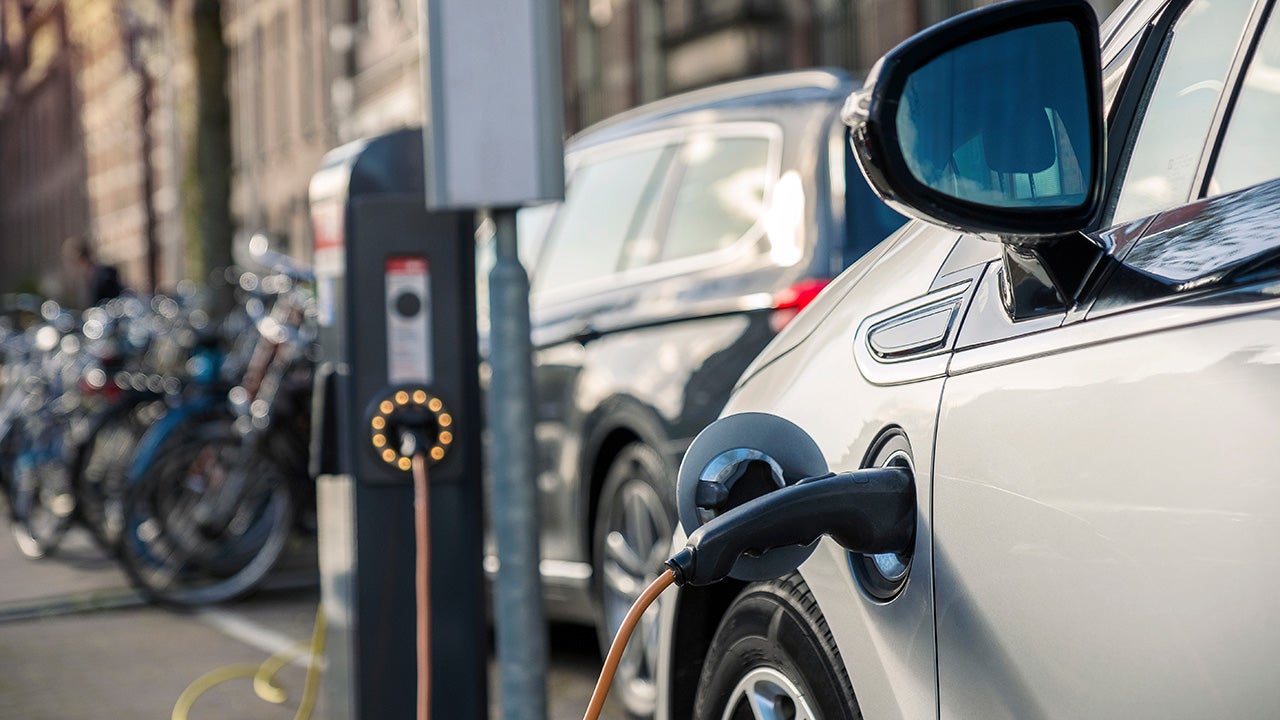
The automotive industry is undergoing one of the most significant transitions in its history. As electric vehicles (EVs) gain popularity, traditional gas-powered vehicles continue to dominate roads worldwide. Each option offers distinct advantages and trade-offs, making the debate more relevant than ever for consumers, policymakers, and manufacturers alike.
This article breaks down the electric vs gas vehicle discussion in a clear, practical way to help drivers understand what truly sets them apart.
Powertrain and Performance Differences
The most fundamental difference lies in how these vehicles generate and deliver power.
Electric Vehicles
- Powered by electric motors and battery packs
- Deliver instant torque for quick acceleration
- Provide smooth, quiet driving with fewer moving parts
Gas Vehicles
- Use internal combustion engines
- Require gear shifts and engine revving to build power
- Offer familiar driving dynamics with audible engine feedback
While EVs excel in responsiveness, gas vehicles still appeal to drivers who prefer traditional performance characteristics.
Fueling, Charging, and Convenience
Energy replenishment plays a major role in daily usability.
Electric Vehicles
- Charged at home or public charging stations
- Lower cost per mile for energy
- Charging time varies depending on infrastructure and battery size
Gas Vehicles
- Refuel quickly at widely available stations
- Consistent range regardless of refueling location
- Fuel prices fluctuate based on market conditions
For drivers without easy access to charging, gas vehicles currently offer greater convenience.
Maintenance and Mechanical Complexity
Vehicle upkeep differs significantly between electric and gas models.
Maintenance Comparison
- Electric vehicles have fewer mechanical components, reducing routine maintenance
- Gas vehicles require oil changes, exhaust maintenance, and engine servicing
Common EV maintenance typically includes:
- Tire rotation
- Brake inspection
- Battery and software system checks
Gas vehicles involve more frequent service intervals due to engine complexity.
Environmental Impact and Emissions
Environmental considerations are a major driver behind the rise of electric vehicles.
Electric Vehicles
- Produce zero tailpipe emissions
- Reduce local air pollution
- Environmental impact depends on electricity generation sources
Gas Vehicles
- Emit carbon dioxide and other pollutants
- Contribute to urban air quality issues
- Benefit from decades of efficiency improvements, but still rely on fossil fuels
For drivers focused on reducing emissions, EVs offer a clear advantage.
Cost of Ownership Over Time
Purchase price is only one part of the financial equation.
Long-Term Cost Factors
- Electric vehicles often have higher upfront costs but lower fuel and maintenance expenses
- Gas vehicles typically cost less initially but incur higher long-term fuel and servicing costs
Ownership costs vary based on driving habits, energy prices, and maintenance practices.
Driving Range and Long-Distance Travel
Range anxiety remains a common concern among prospective EV buyers.
Range Comparison
- Gas vehicles can be refueled quickly and travel long distances without planning
- Electric vehicles offer improving range, but long trips may require route planning around chargers
For frequent long-distance drivers, gas vehicles currently provide more flexibility.
Technology and Driving Experience
Electric vehicles are often built around modern technology platforms.
EV Technology Highlights
- Advanced driver assistance systems
- Over-the-air software updates
- Digital dashboards and smart energy management
Gas vehicles still offer advanced features, but EVs tend to integrate technology more seamlessly into their design.
The Future of the Automotive Industry
The debate is not about immediate replacement but long-term evolution. Infrastructure growth, battery advancements, and policy decisions will shape how quickly electric vehicles gain dominance, while gas vehicles may continue to serve specific use cases for years to come.
Conclusion
The electric vs gas vehicle debate is less about choosing a winner and more about matching the right vehicle to the right driver. Electric vehicles shine in efficiency, low maintenance, and emissions reduction, while gas vehicles remain strong in convenience, refueling speed, and long-distance reliability. Understanding these differences allows consumers to make informed decisions based on lifestyle, driving needs, and long-term priorities.
Frequently Asked Questions (FAQ)
1. Are electric vehicles suitable for cold climates?
Yes, but cold temperatures can temporarily reduce battery efficiency and driving range.
2. How long do electric vehicle batteries typically last?
Most EV batteries are designed to last many years, often covering high mileage before significant degradation.
3. Do gas vehicles still make sense for city driving?
They can, but electric vehicles often perform better in stop-and-go traffic due to regenerative braking.
4. Is charging an electric vehicle safe during rain?
Yes, charging systems are designed with multiple safety protections against moisture and electrical hazards.
5. Can electric vehicles tow trailers like gas vehicles?
Some EVs are capable of towing, though towing can significantly reduce driving range.
6. Are electric vehicles quieter than gas vehicles?
Yes, EVs operate much more quietly due to the absence of combustion engines.
7. Will gas vehicles become obsolete soon?
Gas vehicles are unlikely to disappear immediately and will continue to coexist with EVs during the transition period.